


Gulf Coast national parks and beaches are protected natural preserves featuring white quartz sand shores, thriving wildlife refuges, and centuries of coastal history along America’s southern shoreline. From the 160-mile stretch of Gulf Islands National Seashore spanning Florida and Mississippi to the remote barrier islands of Padre Island National Seashore in Texas, this coastline holds some of the most breathtaking outdoor destinations in the country. Whether you are chasing solitude on an undeveloped beach, watching migratory birds at St. Marks National Wildlife Refuge, or paddling through coastal marshes, the Gulf Coast delivers a genuinely wild experience that resort beaches simply cannot match.
1. Gulf Coast national parks and beaches: why they stand apart
Gulf Coast national parks and beaches serve a fundamentally different purpose than commercial resort shores. They prioritize habitat conservation, wildlife protection, and low-impact recreation over development and amenities. That distinction matters for travelers who want more than a crowded beach umbrella setup.
The National Park Service, U.S. Fish and Wildlife Service, and state park systems collectively manage millions of acres along this coastline. Each agency applies its own rules, but all share a common goal: keep these ecosystems intact for future generations. Visitors who understand that context get far more out of their trips.
2. Gulf Islands National Seashore: the crown jewel of the Gulf
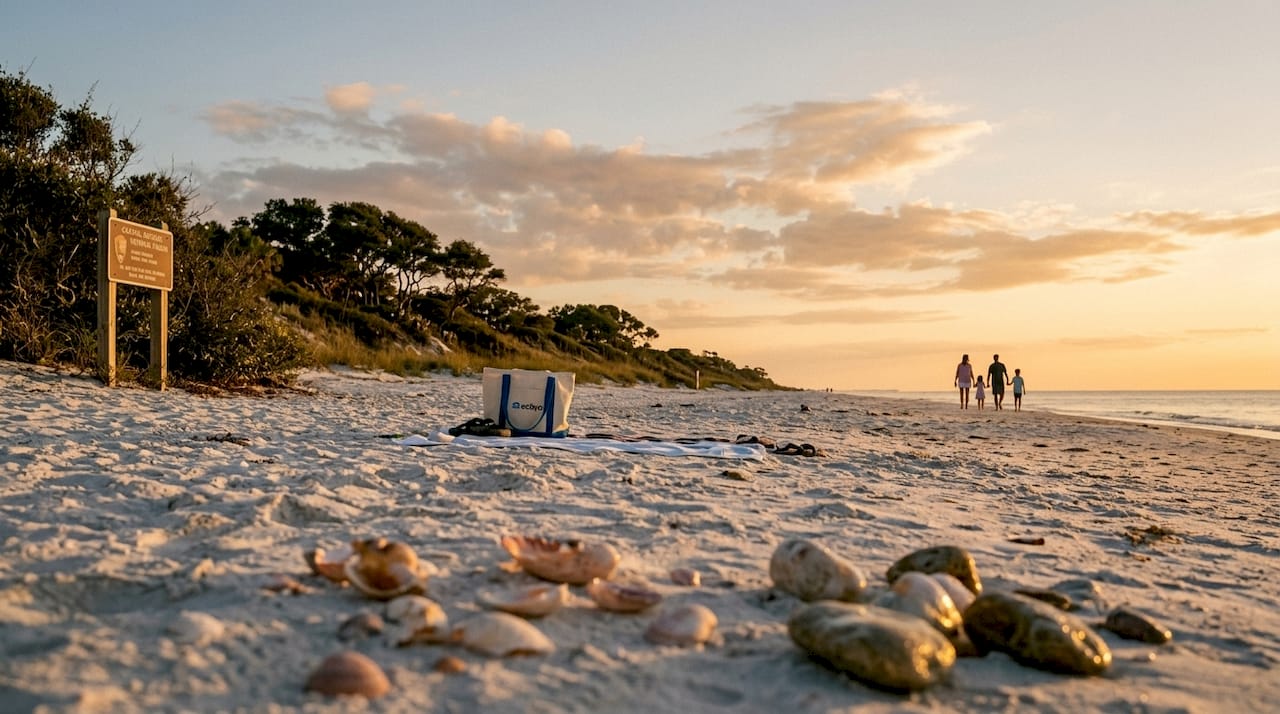
Gulf Islands National Seashore ranked as the sixth most visited unit of the National Park Service in 2024. That level of popularity reflects just how extraordinary this place is, spanning 160 miles of coastal habitat across Florida and Mississippi.
The park is divided into two distinct districts, each with its own character:
- Florida District: White quartz sand beaches, historic Civil War-era forts like Fort Pickens and Fort Barrancas, and accessible campgrounds. Most areas are reachable by car.
- Mississippi District: Wilderness islands including Horn Island and Petit Bois, accessible only by boat or chartered ferry. These islands offer true solitude and undisturbed coastal forest.
- Wildlife: Nesting sea turtles, shorebirds, and bottlenose dolphins are common sightings throughout both districts.
- Camping: Developed sites at Fort Pickens and primitive beach camping on the Mississippi islands give visitors flexible overnight options.
- Historic forts: Fort Pickens on Santa Rosa Island is one of the few forts in the South that never fell to Confederate forces, adding a rich cultural layer to the natural scenery.
Pro Tip: Visiting the Florida District in late September or October means smaller crowds, cooler temperatures, and active sea turtle nest monitoring by park rangers.
3. How Gulf Coast wildlife refuges enhance outdoor experiences
Gulf Coast wildlife reserves operate on a scale that surprises most first-time visitors. St. Marks National Wildlife Refuge in Florida covers 83,000 acres, while Anahuac National Wildlife Refuge in Texas spans 39,000 acres. Both offer year-round free admission and exceptional birding.
These refuges protect ecosystems that commercial development has eliminated elsewhere: tidal creeks, freshwater marshes, estuaries, and longleaf pine flatwoods. Each habitat type supports a different set of species, which is why a single visit can yield dozens of bird species in one morning.
Here is what visitors can expect at major Gulf Coast refuges:
- Auto-tour routes: Anahuac offers a drivable marsh route that puts visitors within feet of alligators, roseate spoonbills, and mottled ducks without leaving the vehicle.
- Boardwalks and foot trails: St. Marks features elevated boardwalks over tidal marshes, ideal for photography and quiet observation.
- Seasonal birding: Fall migration at St. Marks brings monarch butterflies and thousands of waterfowl. Spring at Anahuac draws wading birds in breeding plumage.
- Fishing: Both refuges permit fishing in designated areas, adding another activity for families.
- Leave No Trace: Refuges are ecologically sensitive. Visitors should stay on marked trails, pack out all trash, and avoid disturbing nesting birds or alligator basking spots.
Pro Tip: Arrive at wildlife refuges within the first hour after sunrise. Light is best for photography, temperatures are cooler, and wildlife activity peaks before midday heat sets in.
4. What are the best Gulf Coast beaches for pristine sand and solitude?
The best beaches on the Gulf Coast combine exceptional sand quality with low visitor density. Two destinations consistently lead that conversation: Siesta Key Beach in Florida and Padre Island National Seashore in Texas.
Siesta Key’s sand is composed of 99% pure quartz, which keeps it cool underfoot even in summer heat and gives it that signature powdery white appearance. The beach has full amenities including restrooms, lifeguards, and picnic shelters, making it one of the most family-friendly Gulf Coast destinations available.
Padre Island National Seashore takes the opposite approach. It preserves 66 miles of undeveloped coastline, the longest stretch of undeveloped barrier island in the world. That means no hotels, no concession stands, and no crowds beyond the first few miles from the main entrance.
Key facts for planning a Padre Island visit:
- Vehicle access: The first 5 miles of South Beach are accessible by standard car. Beyond that, a 4-wheel drive vehicle is required for off-road beach driving.
- Insect repellent: Marsh mosquitoes are active year-round, especially near the Laguna Madre side of the island.
- Sea turtle nesting: Kemp’s ridley sea turtles nest here from april through july. Rangers conduct daily patrols and sometimes allow visitors to watch hatchling releases.
- Water and supplies: No vendors operate on the remote sections. Bring all food, water, and shade.
- Pet rules: Dogs are allowed on the beach but must stay on a leash to protect nesting wildlife.
National seashore beaches consistently offer quieter, more natural experiences than resort beaches. National seashore designations prioritize habitat conservation over leisure infrastructure, which is exactly what nature-focused travelers want.
5. Outdoor activities at Gulf Coast parks for adventure seekers
Gulf Coast parks support a wider range of outdoor activities than most travelers realize. The variety spans from low-key birdwatching to multi-day backcountry camping, and the natural settings make every activity feel genuinely rewarding.
| Park or Refuge | Top Activities | Access Type | Best Season |
|---|---|---|---|
| Gulf State Park, Alabama | Hiking, biking, fishing, paddling, geocaching | Car accessible | Spring and Fall |
| Gulf Islands National Seashore, FL/MS | Beach camping, snorkeling, historic tours | Car and boat | Year-round |
| St. Marks NWR, Florida | Birding, fishing, cycling, wildlife photography | Car accessible | Fall and Winter |
| Anahuac NWR, Texas | Auto tour, birdwatching, alligator viewing | Car accessible | Spring and Fall |
| Padre Island NS, Texas | 4WD beach driving, kayaking, sea turtle watching | Car and 4WD | Spring and Summer |
| Brazoria NWR, Texas | Paddling, birding, wildlife photography | Car accessible | Fall and Winter |
Gulf State Park in Alabama stands out for sheer activity variety. The park sits among white sand beaches and live oak trees, with a paved trail system for cycling, multiple kayak launch points, and a fishing pier extending into the Gulf. It is one of the most accessible family-friendly Gulf Coast destinations for travelers who want structured amenities alongside natural beauty.
Brazoria National Wildlife Refuge near Houston offers paddling launches into coastal prairie wetlands and some of the best shorebird diversity on the upper Texas coast. Visitors often spot whooping cranes during winter months, one of the rarest birds in North America.
Pro Tip: Rent a kayak or canoe at Gulf State Park rather than hauling your own. The park’s outfitter operates near the lake, and the calm inland waterways are perfect for beginners and families with children.
6. How to plan a trip to Gulf Coast parks and beaches
Smart trip planning makes the difference between a frustrating visit and a genuinely memorable one. Gulf Coast parks range from fully accessible day-use areas to remote wilderness islands that require advance logistics.
Start with these planning fundamentals:
- Boat access: Horn Island and Petit Bois in Mississippi’s Gulf Islands district require boat transportation. Charter services operate from Ocean Springs and Gulfport. Book well in advance during spring and summer.
- Best seasons: Spring (march through may) and fall (september through november) offer the best combination of mild weather, active wildlife, and manageable visitor numbers. Summer brings heat, humidity, and peak crowds at popular beaches.
- What to bring: Water is the most critical supply for remote areas. Pack at least one gallon per person per day. Add insect repellent, sunscreen, a hat, and a first aid kit.
- Pet policies: Most national seashores and wildlife refuges allow leashed pets in designated areas. Check individual park websites before traveling with animals.
- Lodging: Vacation rentals near park entrances give travelers the flexibility to make early morning starts, which is when wildlife activity and beach conditions are best.
Understanding high season patterns on the Gulf Coast helps travelers time their visits to avoid peak pricing and overcrowding. Shoulder season visits in April or October often deliver the best overall experience at a lower cost.
Gulf Coast beach rental options range from simple cottages near state parks to full beach houses within walking distance of national seashore access points. Staying close to the parks removes the need for long daily drives and lets travelers spend more time outdoors.
Pro Tip: Many remote Gulf Coast beaches have limited or no amenities, so treat every outing like a backcountry trip. Pack everything you need and plan to carry out everything you bring in.
Key takeaways
The Gulf Coast’s national parks, wildlife refuges, and protected beaches offer the most diverse and rewarding outdoor experiences on America’s southern shoreline, from pristine quartz sand to remote wilderness islands.
| Point | Details |
|---|---|
| Gulf Islands National Seashore is massive | It spans 160 miles across Florida and Mississippi and ranked 6th in NPS visits in 2024. |
| Wildlife refuges offer free, world-class birding | St. Marks (83,000 acres) and Anahuac (39,000 acres) both offer free admission and exceptional wildlife viewing. |
| Padre Island is the longest wild beach in the world | Its 66 miles of undeveloped coastline require a 4WD vehicle and full self-sufficiency beyond the first 5 miles. |
| Remote islands need advance boat planning | Mississippi’s Horn Island and Petit Bois are boat-access only; charter services book up fast in peak season. |
| Shoulder season visits are best | Spring and fall deliver mild weather, active wildlife, and fewer crowds at every major Gulf Coast park. |
What I’ve learned from years on the Gulf Coast
The Gulf Coast outdoor scene rewards travelers who do their homework and punishes those who show up unprepared. That is not a warning. It is an invitation to take these places seriously.
The contrast between a packed resort beach and a remote wildlife refuge just 30 miles away is one of the most striking things about this coastline. At Siesta Key, you are surrounded by families, beach chairs, and the smell of sunscreen. At St. Marks, you might spend an entire morning on a boardwalk without seeing another person, watching a great blue heron work a tidal creek in total silence. Both experiences are valid. But the second one changes you in a way the first one rarely does.
What I consistently see travelers get wrong is underestimating the logistics of remote access. Showing up at Padre Island without a 4WD vehicle and expecting to reach the quiet sections is a common mistake. So is arriving at a wildlife refuge at noon in july and wondering why the birds have disappeared. The Gulf Coast rewards early risers and prepared travelers above all others.
The ecological sensitivity of these places also deserves more respect than it typically gets. Sea turtle nesting sites and migratory bird stopover points are genuinely fragile. A single careless visitor can destroy a nest that took weeks to establish. Staying on marked trails and following posted guidelines is not bureaucratic inconvenience. It is the reason these places still look the way they do.
My honest recommendation: pick one park or refuge per trip and go deep rather than trying to cover the entire coast in a week. You will leave knowing a place rather than just having seen it.
— Joe
Your Gulf Coast base camp: vacation rentals near top parks and beaches
Staying close to the parks you want to visit makes every day easier and more rewarding. Emeraldcoastbyowner connects travelers with Gulf Coast vacation rentals booked directly from property owners, which means no traveler fees and more money for the experiences that matter.
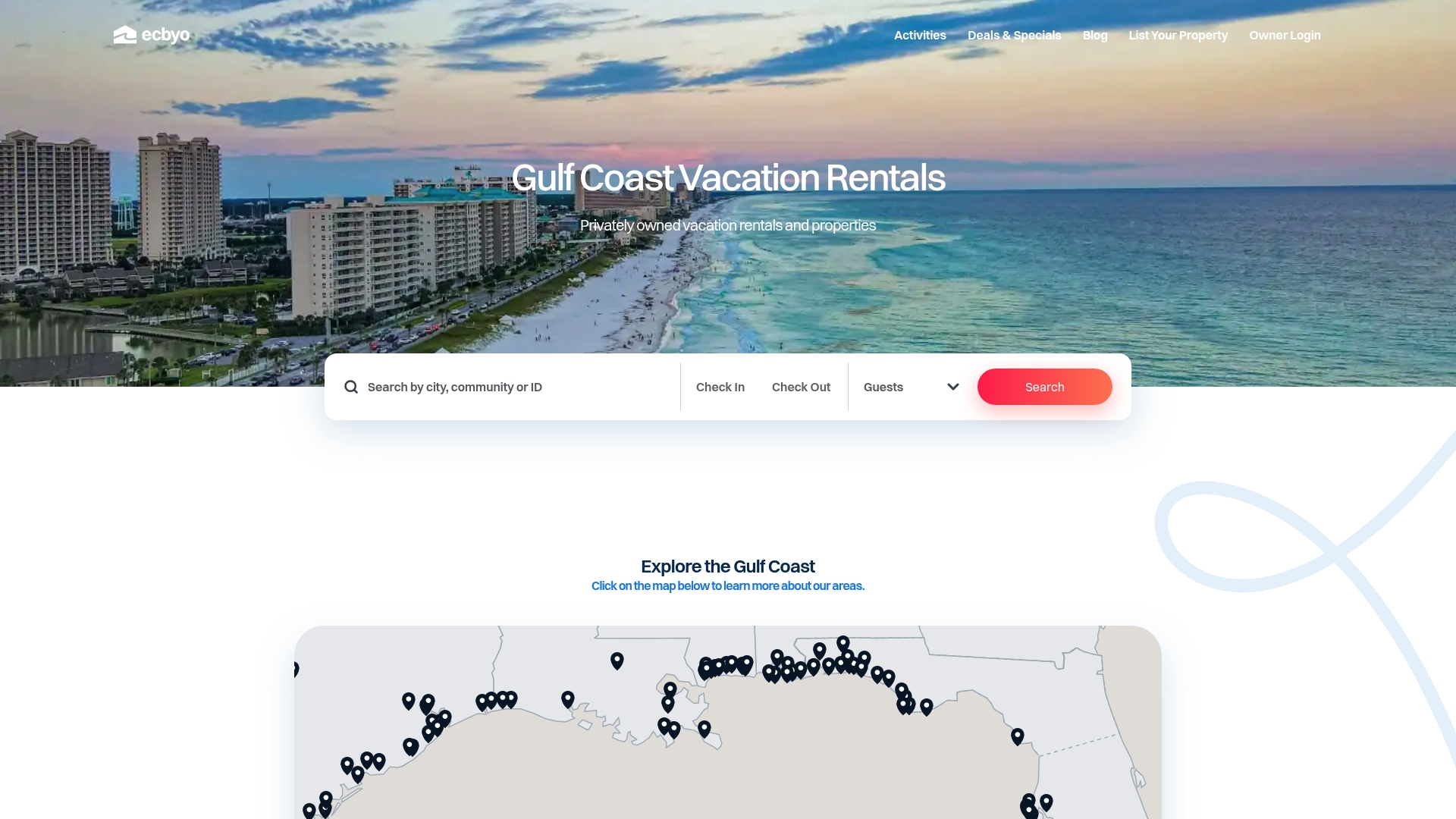
Whether you want a beach house near Gulf Islands National Seashore, a cottage within reach of St. Marks, or a Texas property close to Padre Island, Emeraldcoastbyowner has options across the entire coast. Browse Florida vacation rentals for proximity to the Panhandle’s national seashore, or check Texas vacation rentals for access to Padre Island and Anahuac. Travelers heading to Mississippi can find rentals near Gulfport with easy access to Gulf Islands boat charters. Current deals and specials make shoulder season trips even more affordable.
FAQ
What is Gulf Islands National Seashore?
Gulf Islands National Seashore is a federally protected coastal park spanning 160 miles across Florida and Mississippi. It ranked as the sixth most visited National Park Service unit in 2024 and includes white sand beaches, historic forts, and remote wilderness islands.
Which Gulf Coast beach has the whitest sand?
Siesta Key Beach in Florida holds that distinction, with sand composed of 99% pure quartz. The quartz composition keeps the sand cool and gives it a bright white color that stands out even among Gulf Coast beaches.
Do I need a boat to visit all Gulf Coast national parks?
Most Gulf Coast parks are car accessible, but certain areas require boat transportation. Mississippi’s Horn Island and Petit Bois within Gulf Islands National Seashore are only reachable by boat or chartered ferry.
What is the best time of year to visit Gulf Coast parks?
Spring (March through May) and fall (September through November) offer the best conditions. Temperatures are mild, wildlife is active, and visitor numbers are lower than summer peak season.
Are pets allowed at Gulf Coast national parks and beaches?
Most national seashores and wildlife refuges permit leashed pets in designated areas. Visitors should check individual park rules before traveling, as restrictions vary by location and season to protect nesting wildlife.
Recommended
- Beach Time! An ECBYO blog about all things Gulf Coast
- Compare Gulf Coast Beach Towns | ECBYO
- Types of Gulf Coast Beach Rentals: Your 2026 Guide | ECBYO
- Deals & Specials | Emerald Coast By Owner
About the Author
Joe Godar on the Emerald Coast by Owner Editorial Team creates destination guides, vacation planning resources, and local travel content focused exclusively on Gulf Coast vacation rentals.
Our team researches beach communities, vacation rental trends, family travel planning, local attractions, and direct-booking best practices across Florida, Alabama, Mississippi, Louisiana, Texas, and Southwest Florida. Every guide is written to help travelers make more informed booking decisions while avoiding unnecessary third-party guest service fees.
Since launching in 2016, ECBYO has helped connect travelers directly with verified vacation rental hosts across the Gulf Coast.
This article was reviewed for accuracy and updated using local destination research and current vacation rental market insights.


