


Some of the most welcoming stops for a dog friendly Gulf Coast trip include Brohard Paw Park in Venice, Fort De Soto Beach near St. Petersburg, sections of Padre Island National Seashore, and Dauphin Island Beach in Alabama. Before you pack the car, confirm the local leash rule and any seasonal closures with the park or city, and never leave your dog alone in a hot vehicle. Once those two boxes are checked, booking a pet-friendly Gulf Coast rental is the easy part.
TL;DR:
- Florida offers the broadest range of dog-friendly beaches, including off-leash options like Brohard Paw Park and leash-access beaches at Fort De Soto, with specific rules varying by location.
- Most Gulf Coast parks and beaches require confirming leash length limits, seasonal closures, and waste disposal rules, which can differ between federal, state, and local authorities.
- Gulf-facing surf beaches pose higher risks for dogs, especially in rougher waters, while calmer bayfront beaches like Cedar Key’s Lil Shark Park are better suited for small or less confident swimmers.
- Proper precautions such as avoiding hot sand, providing shade and water, and supervising wildlife buffers are crucial for dog safety during summer visits.
- Booking pet-friendly rentals should involve direct communication with hosts about breed restrictions, yard access, and proximity to the beach to ensure a comfortable stay for your dog.
Table of Contents
- Notable dog friendly beaches by state along the Gulf Coast
- What beach and park rules to check before you go
- Gulf surf beaches versus calmer bayfront spots for your dog
- Keeping your dog safe and welcome on the sand
- How to find and book a pet-friendly Gulf Coast rental
- Helping your dog enjoy the beach comfortably
- Publisher perspective on tracking pet-friendly beach rules
- Search pet-friendly Gulf Coast rentals with Emerald Coast By Owner
- Sources
- FAQ
Notable dog friendly beaches by state along the Gulf Coast
Every Gulf Coast state has at least one beach or park that welcomes dogs, but the rules shift from town to town, so treat this list as a starting point rather than the final word.
Florida has the largest concentration of options. Brohard Paw Park in Venice is a fenced, off-leash beach where dogs can swim freely, a rarity on this stretch of coast. Fort De Soto Beach in Pinellas County includes a dedicated leashed dog beach with a small entry fee and rinse stations. Shell Point Beach in Wakulla County allows leashed dogs on the sand and stays open from 6 a.m. to midnight with no entrance fee. Lil Shark Park on Cedar Key offers calm, shallow water that suits smaller or older dogs better than open surf. Padre Island National Seashore, discussed below under Texas, also has a Florida counterpart in spirit: many state park beaches restrict dogs from the swim beach itself even when trails and parking areas allow them, so always check the specific park page for details.
Alabama offers Gulf State Park Beach in Gulf Shores, where pets are welcome on the beach on a leash, along with Dauphin Island Beach, a quieter, less crowded stretch with soft sand and easy parking access. Orange Beach has several waterfront parks that tolerate leashed dogs, though the main tourist beach areas can be more restrictive during peak season.
Mississippi centers on Bay St. Louis, where the beach and downtown waterfront area are known for welcoming leashed dogs, plus a walkable historic district that makes for an easy add-on to a beach day.
Louisiana does not have the same beach culture as its neighbors, but coastal-access points along the bayous and boating communities tend to be dog-tolerant, especially in areas like Johnson Bayou and Lafitte. Always confirm with the local parish, since ordinances vary more here than in Florida or Alabama.
Texas is anchored by Padre Island National Seashore, which permits leashed pets on more than 60 miles of beach, campgrounds, and trails, making it one of the longest stretches of dog-friendly shoreline on the entire Gulf Coast. Heat and wildlife are real concerns here, covered in more detail below.
- Brohard Paw Park (Venice, Florida): fenced, off-leash swimming beach.
- Fort De Soto Beach (Pinellas County, Florida): leashed dog beach with rinse stations.
- Gulf State Park Beach (Gulf Shores, Alabama): leashed access to the main beach.
- Padre Island National Seashore (Texas): over 60 miles of leashed-pet beach, per the National Park Service.
- Bay St. Louis (Mississippi): dog-friendly beach and waterfront district.
What beach and park rules to check before you go
Pet policies on the Gulf Coast come from three different layers of authority, and each one can override or narrow what you assume is allowed. Federal sites like national seashores follow National Park Service rules. State parks, such as those managed by Florida State Parks, often set their own limits, and city or county ordinances add another layer on top of both. At Henderson Beach State Park, for example, pets are allowed in parking areas and on some trails but not on the beach itself, a common pattern at Florida’s state-managed parks meant to protect nesting wildlife.
Before you drive anywhere, confirm these items directly with the park or city:
- Leash length allowed, commonly capped at six feet.
- Whether any section permits off-leash access, and where that boundary sits.
- Seasonal closures tied to turtle nesting or shorebird activity.
- Pet waste rules, since some parks require burying waste in undeveloped zones and bagging it elsewhere.
- Vehicle and parking restrictions, including permit requirements at national seashores.
A single missed rule can end your beach day fast. Padre Island’s superintendent’s compendium spells out specifics that a general web search will not surface, including a buffer that keeps pets at least 50 yards from wildlife release areas and a requirement to bury waste at least six inches deep in non-developed sections. Reading the actual compendium or park pet page, not just a summary, is the only way to know you are covered.
Gulf surf beaches versus calmer bayfront spots for your dog
Not every Gulf Coast beach behaves the same way in the water, and that difference matters more for dogs than for people. Gulf-facing surf beaches, like the open shoreline at Padre Island, have stronger waves, shifting sand, and occasional rip currents, which suit confident, experienced swimming dogs better than nervous or older ones.
Bayfront and cove beaches sit on the calmer side. Shell Point and Cedar Key’s Lil Shark Park both offer shallow, gentle water that works well for small breeds, senior dogs, or first-time swimmers. Before choosing a spot, run through a short mental checklist: your dog’s size and swimming confidence, how well it tolerates crowds and noise, and whether the area has posted wildlife or nesting restrictions. A rental listed as “beachfront” can mean either gulf-facing or bay-facing, so it is worth asking the host directly which one applies before you book.

Keeping your dog safe and welcome on the sand
A good beach day comes down to a few habits repeated consistently. Heat is the biggest risk on the Gulf Coast for much of the year: never leave a dog in a parked car, even briefly, and plan summer visits for early morning or evening when the sand and air are cooler. Bring shade, a collapsible bowl, and more fresh water than you think you need.
Wildlife adds another layer of caution, particularly at less-developed sites like Padre Island, where rattlesnakes and coyotes share the same trails and dune areas dogs use. Keep dogs leashed near brush or dune lines, and steer clear of any roped-off nesting zones, which protect shorebirds and sea turtles during breeding season.
Basic etiquette rounds out the list: pick up waste immediately, and keep your dog close enough that it cannot startle wildlife or other beach goers.
- Pack shade, a collapsible water bowl, and extra fresh water.
- Watch for posted nesting closures and wildlife buffer zones.
- Bag or bury waste according to the site’s specific rule.
- Bring a basic pet first-aid kit and paw protection for hot sand.
- Use a canine life jacket if your dog will swim in open water.
Pro Tip: Check the sand temperature with your bare hand before you let your dog walk on it; if it is too hot for you, it is too hot for their paws.
How to find and book a pet-friendly Gulf Coast rental
Once you know which beach fits your dog, turning that into a booked trip takes a bit of legwork. Search listings using pet-friendly filters, and look specifically for mentions of a fenced yard or walking distance to a dog-friendly beach, since that detail is not always in the headline description.
Before you confirm a booking, ask the host these questions directly:
- Are there breed or size restrictions, and is there an additional pet fee?
- Where on the property can dogs go, and is any area off-limits?
- How far is the nearest veterinary clinic or emergency animal hospital?
- Does the property have direct beach access, and is that beach gulf-facing or bay-facing?
A regional marketplace that connects you straight to the property owner makes these questions easier to ask and answer, since you are not relaying messages through a call center. Emerald Coast By Owner focuses only on Gulf Coast rentals and lets you message hosts directly about pet policies before you commit.
Helping your dog enjoy the beach comfortably
Sun, sand, and new water can overwhelm a dog that has never spent a full day at the beach, so a little preparation goes a long way. Apply a pet-safe sunscreen on exposed areas like the nose and ear tips for short-haired breeds, and offer water every 20 to 30 minutes rather than waiting until your dog seems thirsty.
Introduce your dog to the water slowly rather than letting it charge in. Walk along the shoreline first so it can get used to the sound and motion of waves, then let it wade before attempting to swim. Dogs unfamiliar with currents can panic quickly, so stay within a few feet during those first minutes, and use a life jacket if the water has any real movement.
Watch for signs of overheating such as heavy panting, drooling, or reluctance to keep walking, and move to shade immediately if you notice any of them. A rinse-off after swimming removes salt and sand that can irritate skin, and a towel-dry in the shade lets your dog cool down gradually instead of sitting in the sun while wet.

Publisher perspective on tracking pet-friendly beach rules
A regional vacation rental marketplace has focused on Gulf Coast rentals since 2016, working directly with owners across Florida, Alabama, Mississippi, Louisiana, and Texas. That regional focus means checking primary sources, National Park Service pet pages and state park experience pages among them, rather than relying on secondhand summaries. Rules at beaches and parks change with the seasons and with local wildlife activity, so any list like this one is a starting point, not a final answer. Confirming details directly with the park or the property owner before a trip remains the most reliable step a dog owner can take.
— Joe
Search pet-friendly Gulf Coast rentals with Emerald Coast By Owner
Finding the right beach is only half the trip. This marketplace connects travelers directly to property owners across the Gulf Coast, without added traveler booking or service fees, allowing questions about pet rules, fenced yards, and beach access before booking.
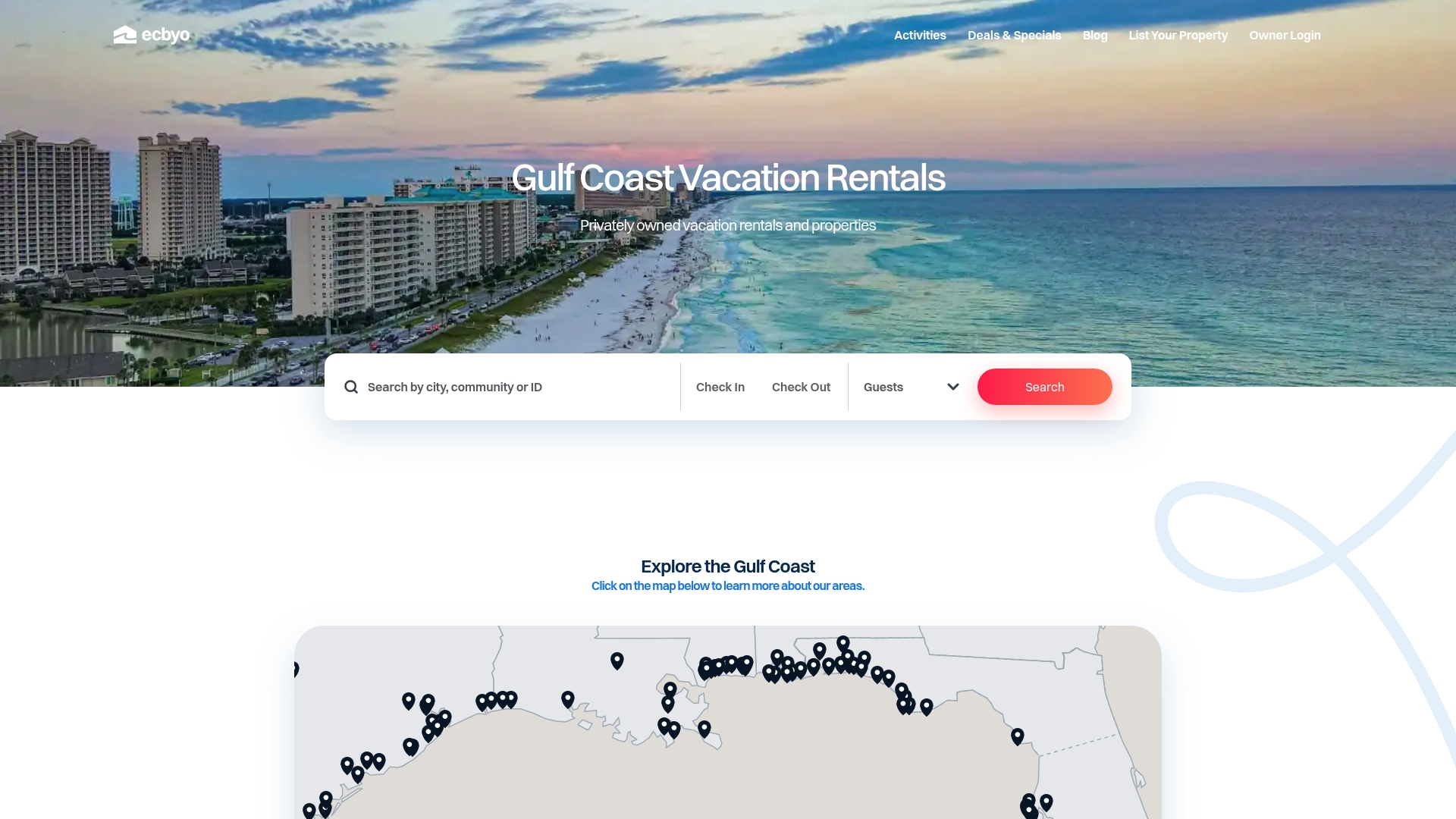
Whether you are eyeing a stay near Fort De Soto in Florida, a quiet spot on Dauphin Island in Alabama, or a bayfront rental closer to Bay St. Louis in Mississippi, searching by state narrows the options fast.
- Filter listings for pet-friendly properties near your chosen beach.
- Message owners directly to confirm breed limits, fees, and yard access.
- Check the deals page for current specials on pet-friendly stays.
Search available rentals today and message an owner directly to lock down the details before your trip.
Sources
- Pets - Padre Island National Seashore (U.S. National Park Service)
- Beach guide: Shell Point (Visit Florida)
- Experiences & Amenities | Henderson Beach State Park (Florida State Parks)
FAQ
Where is the best place to vacation with dogs in Florida?
Florida offers several strong choices depending on what your dog needs. Brohard Paw Park in Venice suits dogs that want off-leash swimming, while Shell Point Beach and Cedar Key’s Lil Shark Park work better for calmer, shallow-water days with smaller or older dogs.
What beach is the most dog friendly?
No single beach holds an official title, but Padre Island National Seashore stands out for sheer scale, permitting leashed pets across more than 60 miles of beach, campgrounds, and trails. Brohard Paw Park in Florida is notable for allowing off-leash swimming in a fenced area, which is unusual for the region.
Are dogs allowed on beaches in Gulf Shores?
Yes, Gulf State Park Beach in Gulf Shores allows leashed dogs on the main beach, though some managed sections or seasonal periods may carry extra restrictions. Always check the park’s current pet page before you go, since rules can shift with nesting season.
Are there any beaches in Alabama that are dog friendly?
Yes, Alabama has a few solid options. Gulf State Park Beach and Dauphin Island Beach both welcome leashed dogs, with Dauphin Island offering a quieter, less crowded stretch of sand than the main Gulf Shores tourist area.
Recommended
- Deals & Specials
- How to Find Owner Direct Beach Rentals on the Gulf Coast
- How to Rent a Gulf Cottage Without a Travel Agent
- Pet-Friendly Beach Rentals for Dog Owners

About the Author
Joe Godar of the Emerald Coast by Owner Editorial Team creates destination guides, vacation-planning resources, and local travel content focused exclusively on Gulf Coast vacation rentals.
Our team researches beach communities, vacation rental trends, family travel planning, local attractions, and direct-booking best practices across Florida, Alabama, Mississippi, Louisiana, and Texas. Every guide is written to help travelers make more informed booking decisions while avoiding unnecessary third-party guest service fees.
Since launching in 2016, Emerald Coast by Owner has helped connect travelers directly with verified vacation rental hosts across the Gulf Coast.
This article was reviewed for accuracy and updated using local destination research and current vacation rental market insights.


