


TL;DR:
- Best overall: Late May, early June, September, and October balance warm water, lighter crowds, and better rates.
- Warmest Gulf water: July and August.
- Lowest prices: January and February typically offer the best lodging value.
- Fewest crowds: November through February, especially weekdays.
- Families: Early June offers warm beach weather before peak-summer crowds build.
- Fall: September and October combine warm Gulf water with fewer visitors, but fall overlaps hurricane season.
- Peak summer: Book popular beachfront rentals 3–6 months ahead for the best selection.
Late May through early June and again from September to October give you the best overall mix of warm Gulf water, thinner crowds, and softer nightly rates. If warm water matters most, July and August still deliver the warmest swims of the year. If your priority is rock-bottom prices and quiet beaches, aim for January or February instead.
- Warm water without the crowds: late May to early June
- Rock-bottom prices, quiet beaches: January or February
- Family trip, avoiding spring break chaos: June (after school lets out, before peak summer rates)
Pro Tip: Book a shoulder-season week and check the VisitPanamaCityBeach events calendar before you finalize dates — a festival weekend can double lodging demand overnight.
Water temperatures peak during summer months in July and August with warm conditions, according to climate data for the area, while the official Atlantic hurricane season tracked by the National Hurricane Center runs June 1 through November 30 and shapes how you should plan a late-summer or fall trip.
Key Takeaways
Shoulder seasons (late May to early June, September to October) deliver the best combination of warm water, thinner crowds, and lower lodging rates for most Panama City Beach travelers.
| Point | Details |
|---|---|
| Best overall window | Late May to early June and September to October balance warm water, low crowds, and value. |
| Warmest water | July and August hold Gulf temperatures in the low-to-mid 80s°F. |
| Cheapest months | January and February offer the lowest rates and quietest beaches of the year. |
| Hurricane season overlap | June 1 through November 30 overlaps warm-weather travel; buy flexible, refundable bookings. |
| Booking timing | Reserve peak summer stays 3 to 6 months out; shoulder and off-season trips need far less lead time. |
Table of Contents
- When Is the Best Time to Visit Panama City Beach by Season?
- Which Month Fits Your Travel Priority?
- How Does Hurricane Season Affect Fall Travel Plans?
- How Far Ahead Should You Book Your Trip?
- Sources
- FAQ
When Is the Best Time to Visit Panama City Beach by Season?
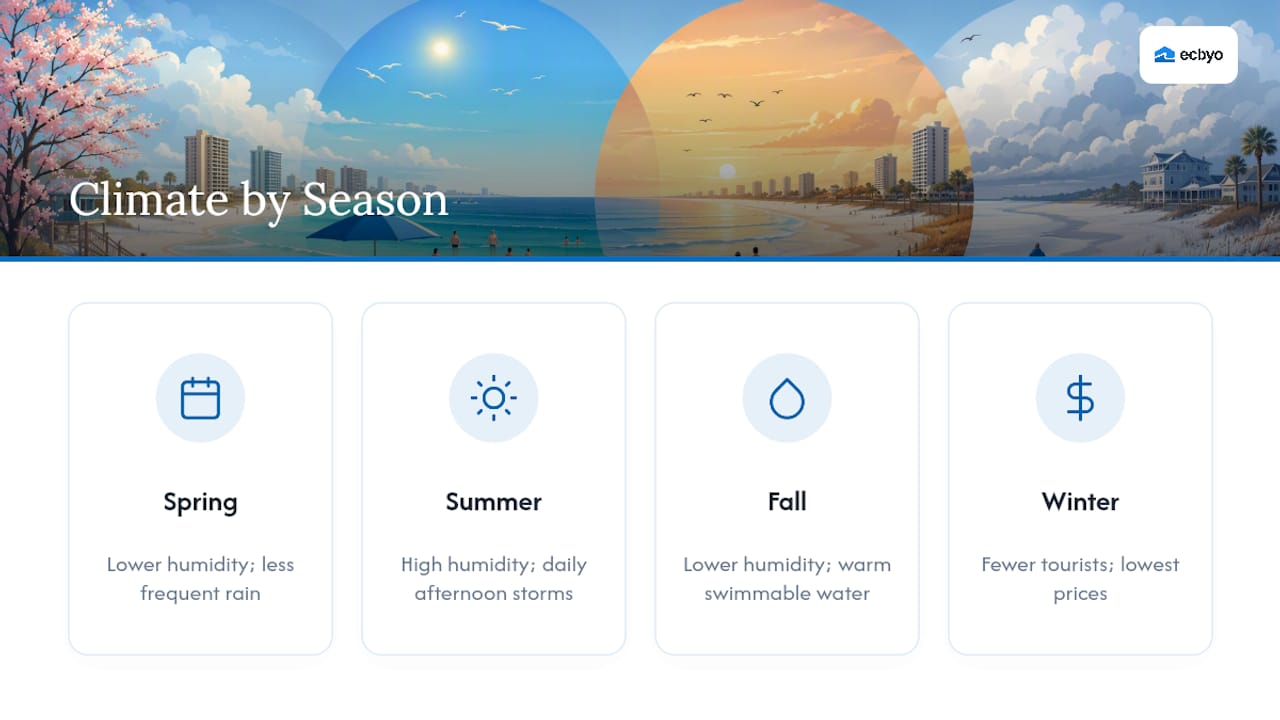
Every season on the Emerald Coast has a personality. Spring features lively crowds, summer brings heat and busy beaches, fall offers quieter conditions with swimmable water, and winter is peaceful, with fewer tourists.
Spring starts loud. March is spring break season, when college crowds fill the Strip and rental minimums tighten. By late April and May, families and couples take over, humidity stays manageable, and Thunder Beach motorcycle rally rolls through in April, adding a burst of visitors without the spring-break intensity.
Summer is Panama City Beach at full capacity. June through August brings the warmest air and the busiest beaches, plus the Pepsi Gulf Coast Jam in June, one of the region’s biggest country music draws. Charter boats run their fullest schedules of the year during these months, since marinas report peak fishing and dolphin-tour availability in summer.

Fall is where the shoulder-season case gets strong. September and October keep water warm enough for swimming while crowds thin out fast after Labor Day. October brings both Thunder Beach’s second rally and the Pirates of the High Seas & Renaissance Fest, and November closes the season with IRONMAN Florida, which fills lodging near the race route but leaves the rest of the beach quiet.
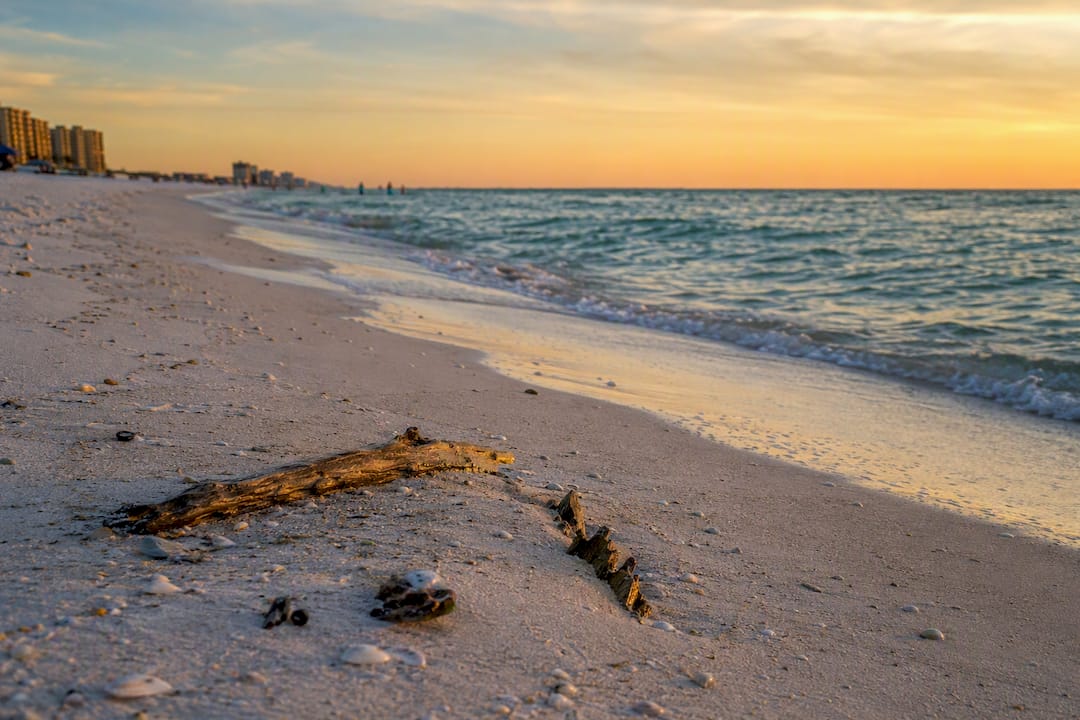
Winter is the off-season, plain and simple. Rates drop, restaurants trim their hours, and some attractions shift to weekend-only schedules. It’s the trade-off for the lowest prices of the year.
Rainfall follows a predictable arc too. Summer afternoons bring short, heavy thunderstorms almost daily, driving up humidity alongside the heat. Spring and fall carry lower humidity and less frequent rain, based on monthly climate averages for the area, which is part of why shoulder months feel more comfortable to walk around in, not just cheaper.
Which Month Fits Your Travel Priority?
Match your goal to a window instead of guessing:
- Warmest water: July or August, when Gulf temperatures hold in the low-to-mid 80s°F.
- Best weather with lower humidity: late September through October.
- Best value: January or February, with December close behind outside the holiday weeks.
- Quietest beaches: any weekday in November through February.
- Family trips avoiding spring break: early June, after most schools let out but before the heaviest summer crush.
Quick lookup: if warm water is your top priority, pick July or August. If low crowds matter more than water temperature, pick late September or October. If price is everything, pick January or February.
Two windows deserve a specific warning when traveling around Florida, so consider Miami vacation planning tips to save, relax, and explore for related advice. Spring break weeks bring the year’s rowdiest crowds and tightest lodging. The Fourth of July holiday weekend is a peak time for crowds and busy roads. Avoid both unless that energy is exactly what you’re after.
How Does Hurricane Season Affect Fall Travel Plans?
Atlantic hurricane season runs June 1 through November 30, overlapping directly with the warm-weather window that makes late summer and fall so appealing for swimming. That overlap is the real trade-off behind the shoulder-season strategy, not a reason to avoid fall entirely, since storm activity is generally more frequent in late summer months, particularly August and September.
Late-notice rain bands, tropical storm watches, and the occasional evacuation advisory can reshape a trip with little warning during these months.
- Buy travel insurance that covers named-storm cancellations.
- Book refundable or reschedule-friendly stays when traveling August through October.
- Check the National Hurricane Center and local NWS forecasts in the week before departure.
- Confirm charter boats, shuttles, and festival dates haven’t shifted due to weather.
Pro Tip: A refundable booking costs little upfront and saves you from losing a deposit if a storm forces a date change during hurricane season.
How Far Ahead Should You Book Your Trip?
A typical visit ranges from several days up to a week or more depending on planned activities
- Peak summer (June–August): book three to six months out. Expect 7-night, Saturday-to-Saturday minimums on most rentals.
- Shoulder seasons (May, September, October): book six to ten weeks out. Minimum stays often drop to two or three nights, giving you more flexible arrival days.
- Off-season (December–February): book two to four weeks out. Deals often appear last-minute, and owners are more open to negotiating.
Pack sun protection year-round, add a light rain jacket for summer afternoons, and consider a light wetsuit if you’re swimming in November or December. Reserve boat charters and IRONMAN spectator lodging early, since those sell out regardless of season.
When you search for a place to stay, filter Panama City Beach listings for beachfront or pet-friendly options and compare direct-owner pricing before you commit. The deals and specials page is worth a scan too, especially if you’re traveling off-season and hoping to negotiate a shorter minimum stay.
A Local Note on Timing Your Trip
Every season I’ve researched for this guide points back to the same window: shoulder season delivers the best balance of comfort, cost, and quiet beaches. Before you book, browse Panama City Beach rental listings or the Shores of Panama resort guide to line up your dates with the events that matter to you.
Sources
FAQ
What Is the Cheapest Month to Visit Panama City Beach?
January and February typically bring the lowest lodging rates and quietest beaches, with December close behind outside the holiday weeks.
How Many Days Do You Need in Panama City Beach?
Four to seven days covers beach time and a couple of activities comfortably; add extra days if you’re planning fishing charters, day trips, or festival attendance.
Is Destin or Panama City Beach Nicer?
Both offer excellent Gulf-front beaches with fine white sand; Panama City Beach tends to have more budget-friendly lodging and a livelier entertainment strip, while Destin skews slightly quieter and upscale.
What Is the Best Month to Visit Panama City Beach?
Most travelers do best in late May, early June, September, or October, when water stays warm, crowds thin out, and rates drop from peak summer levels.
Does Visiting During Hurricane Season Mean My Trip Will Be Ruined?
Not necessarily. Hurricane season runs June through November, but most storm activity clusters in August and September, so booking flexible, refundable stays and monitoring the National Hurricane Center protects you without requiring you to skip fall travel altogether.
Recommended
- Panama City Beach Vacation Rentals | Beach Houses & Condos
- Shores of Panama: Panama City Beach Resort Guide 2026 | ECBYO
- Panama City Florida Vacation Rentals | ECBYO
- What Is the Florida Panhandle Known For: Travel Guide | ECBYO

About the Author
Joe Godar of the Emerald Coast by Owner Editorial Team creates destination guides, vacation-planning resources, and local travel content focused exclusively on Gulf Coast vacation rentals.
Our team researches beach communities, vacation rental trends, family travel planning, local attractions, and direct-booking best practices across Florida, Alabama, Mississippi, Louisiana, and Texas. Every guide is written to help travelers make more informed booking decisions while avoiding unnecessary third-party guest service fees.
Since launching in 2016, Emerald Coast by Owner has helped connect travelers directly with verified vacation rental hosts across the Gulf Coast.
This article was reviewed for accuracy and updated using local destination research and current vacation rental market insights.


