


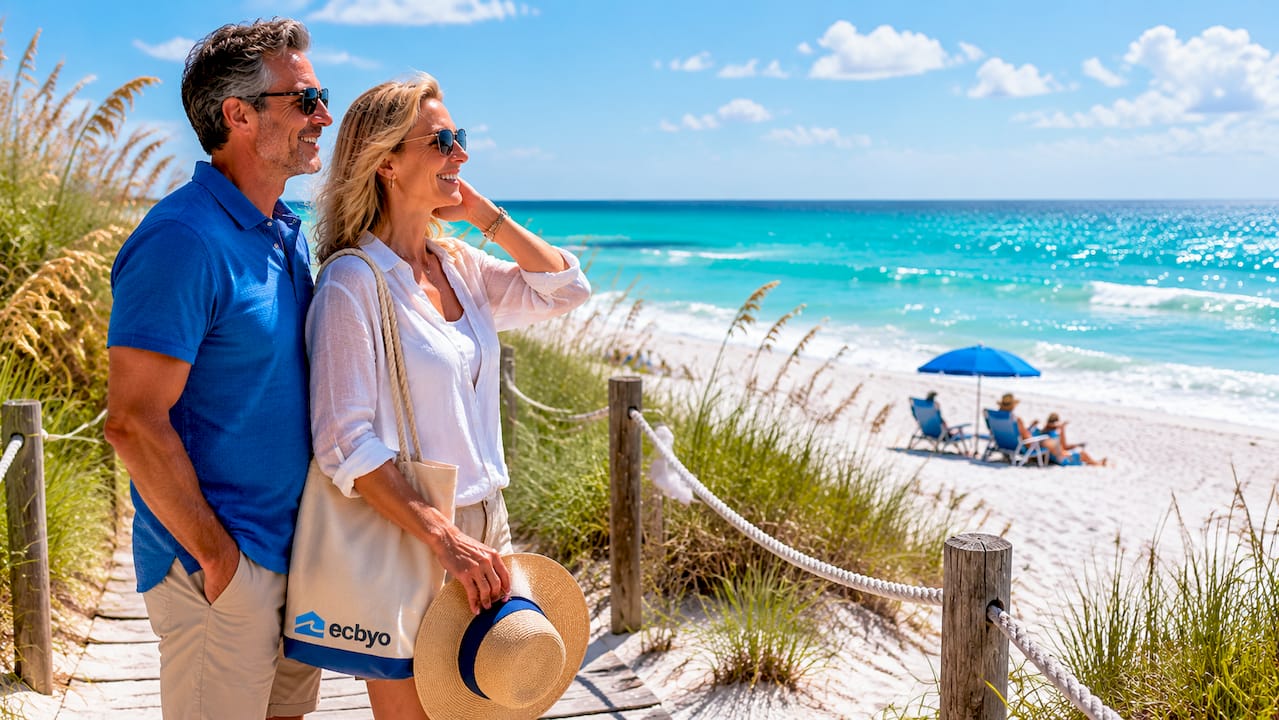
Orange Beach, Alabama is a resort city on Alabama’s Gulf Coast with an estimated population of around 8,534 residents and roughly 32 miles of coastline stretching along the Gulf of Mexico. Situated at the easternmost tip of Alabama, it borders Florida’s Perdido Key and covers about 15.9 square miles of land and water. For travelers asking what is Orange Beach Alabama, the short answer is this: a laid-back coastal destination that blends energetic Gulf surf with calm, protected back-bay waterways. That combination sets it apart from nearly every other beach town on the Gulf Coast.
What are the main attractions and things to do in Orange Beach?
Orange Beach attractions range from world-class nature parks to lively waterfront entertainment, giving every type of traveler something worth the drive.
The 6,500-acre Gulf State Park anchors the natural side of Orange Beach. It features over 15 miles of paved trails for cycling, walking, and birding. The park connects directly to the beach, making it easy to move between shaded trails and open sand in minutes.

The Wharf entertainment district sits on the Intracoastal Waterway and draws visitors with its iconic Ferris wheel, outdoor amphitheater, waterfront dining, and boutique shops. It functions as the social center of Orange Beach, especially on summer evenings. Concerts at the amphitheater run from spring through fall and attract national acts.
Orange Beach also holds the title of home to the largest charter fishing fleet on the Gulf Coast, along with the nation’s largest artificial reef system. That combination makes it one of the top sport fishing destinations in the southeastern United States.
Other top things to do in Orange Beach include:
- Dolphin cruises: Several operators run daily tours from the marina, with sightings nearly guaranteed in warmer months.
- Alabama Point East: A quieter stretch of beach near the Florida state line, popular for sunrise photography and uncrowded mornings.
- Adventure Island: A family-friendly water park and go-kart complex that keeps younger travelers entertained for hours.
- Paddleboarding and kayaking: Rentals are widely available along the back bays, with calm water ideal for beginners.
- Snorkeling and diving: The artificial reef system creates rich underwater environments accessible to recreational divers.
- Local festivals: The National Shrimp Festival draws large crowds each fall, celebrating local seafood, live music, and regional art.
Pro Tip: Visit Alabama Point East on a weekday morning for the least crowded beach experience and the best light for photos. Photographers consistently rank it as one of the most peaceful spots in the area.
How does Orange Beach’s geography shape the visitor experience?
Orange Beach’s geography is the defining feature that separates it from neighboring Gulf Shores and most other Alabama beach towns. The city sits between the Gulf of Mexico to the south and a network of protected waterways to the north. That dual environment creates two completely different recreational moods within the same destination.
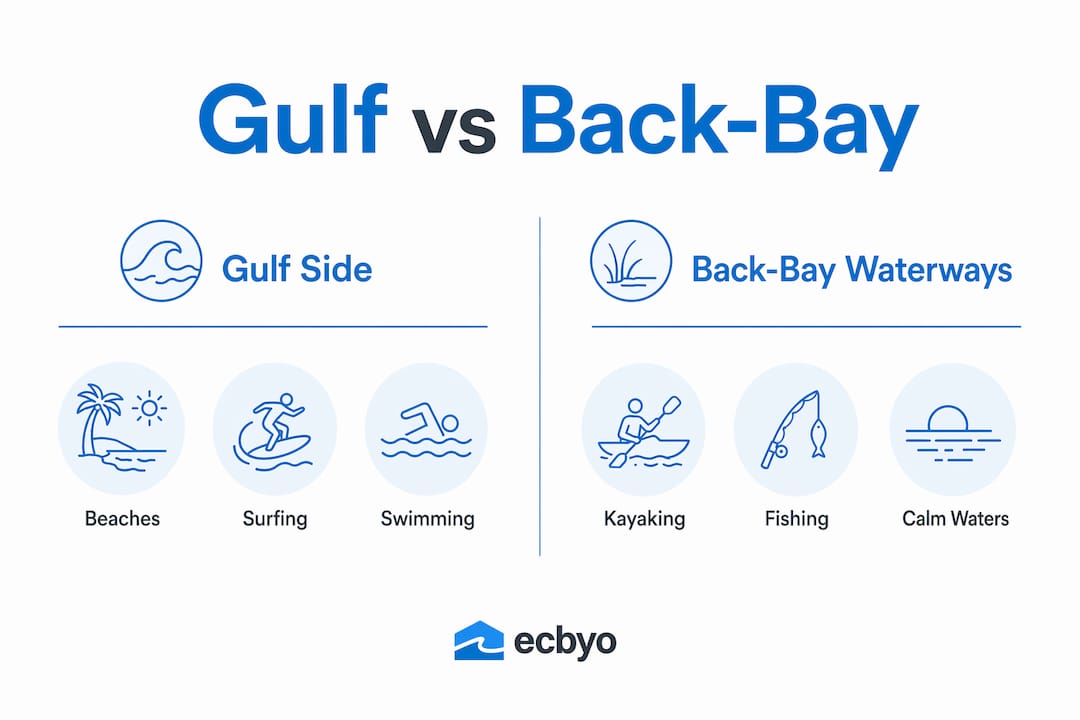
The Gulf side delivers the classic beach experience: white sand, warm water, and rolling waves. The back-bay side, which includes Terry Cove and Cotton Bayou, offers calm, sheltered water ideal for boating, paddling, and fishing. Visitors who arrive expecting only a beach town often leave surprised by how much the waterways add to the trip.
The table below shows how the two environments compare for common visitor activities:
| Activity | Gulf side | Back-bay waterways |
|---|---|---|
| Swimming | Excellent, energetic surf | Calm, suitable for all ages |
| Kayaking and paddleboarding | Challenging for beginners | Ideal, flat water |
| Fishing | Offshore and surf fishing | Inshore fishing, crabbing |
| Boating | Open-water cruising | Dock-and-dine access |
| Atmosphere | Lively, social | Quiet, scenic |
Orange Beach offers a more upscale and slower-paced atmosphere than neighboring Gulf Shores. That distinction matters for travelers who want a calmer setting without sacrificing beach access. The back bays make that possible by giving visitors a natural retreat from the busier Gulf-front areas.
Pro Tip: Rent a kayak or paddleboard from one of the Cotton Bayou launch points for a completely different view of Orange Beach. The back-bay perspective shows a side of the city that most visitors never see.
What should travelers know about getting to and around Orange Beach?
Getting to Orange Beach requires a bit of planning, but the logistics are straightforward once you know the options.
- Fly into Pensacola International Airport (PNS). This is the closest major airport, located about 45–60 minutes from Orange Beach. Most major carriers serve PNS, and rental car availability is strong year-round.
- Consider Mobile Regional Airport (MOB) as an alternative. Mobile sits roughly the same distance away and often offers lower fares, particularly on budget carriers. The drive is scenic and passes through coastal Alabama.
- Rent a car without exception. Public transportation in Orange Beach is limited, and seasonal trolleys cover only a narrow corridor. A rental car gives you the freedom to reach the back bays, fishing piers, and restaurants that sit off the main beach road.
- Plan for beachfront road congestion. Highway 182, the main beachfront road, backs up significantly on summer weekends. Arriving before 9 a.m. or after 6 p.m. cuts travel time considerably.
- Download a parking app before you arrive. Many public beach access points use pay-to-park apps rather than meters. Having one set up in advance saves time and frustration.
- Use rideshare for evening outings. Uber and Lyft operate in Orange Beach, though coverage thins out late at night. Rideshare works well for trips between The Wharf and beachfront hotels, freeing you from parking concerns during dinner.
The city’s 10% sales tax rate as of 2026 is worth factoring into your budget, especially for dining and shopping. It applies broadly across most retail and restaurant purchases.
What is the history and culture of Orange Beach?
Orange Beach evolved from a small 19th-century fishing village into one of Alabama’s most visited coastal destinations. Early settlers attempted citrus farming in the area, which gave the city its name. Those groves never thrived in the Gulf Coast climate, but the fishing industry did, and it shaped the town’s identity for generations.
Hurricane Frederic struck in 1979 and fundamentally changed Orange Beach. The storm destroyed much of the older building stock and cleared the way for the modern resort development that defines the city today. The post-Frederic rebuild introduced the high-rise condominiums and resort hotels that now line the beachfront. That history explains why Orange Beach looks newer and more polished than many comparable Gulf Coast towns.
The local culture centers on the water in every sense. Key cultural touchstones include:
- Royal Red shrimp: A deep-water species unique to the Gulf, served at most local seafood restaurants and considered a regional delicacy. The flavor is richer and sweeter than standard Gulf shrimp.
- The Bushwacker cocktail: A creamy frozen drink invented in the Gulf Coast region and now considered the unofficial signature cocktail of Orange Beach.
- The dock-and-dine lifestyle: Boaters arrive by water at waterfront restaurants, tie up at private docks, and dine on fresh catches. This culture is deeply embedded in the local social scene.
- The National Shrimp Festival: Held each October in Gulf Shores, this annual festival draws visitors from across the Southeast for seafood, live music, and local art. It is one of the most attended events on the Alabama Gulf Coast.
- Charter fishing heritage: The city’s identity as a fishing hub predates its resort status. That heritage shows up in the marina culture, the seafood menus, and the pride locals take in the Gulf’s natural resources.
Key Takeaways
Orange Beach, Alabama is a resort city defined by its dual Gulf and back-bay environment, strong fishing heritage, and a laid-back culture that rewards travelers who explore beyond the beachfront.
| Point | Details |
|---|---|
| Dual water environment | The Gulf and protected back bays offer two distinct recreational experiences in one destination. |
| Top attractions | Gulf State Park, The Wharf, and the nation’s largest artificial reef system anchor the visitor experience. |
| Getting there | Fly into Pensacola International Airport or Mobile Regional Airport, both 45–60 minutes away. |
| Local culture | Royal Red shrimp, the Bushwacker cocktail, and the dock-and-dine lifestyle define Orange Beach’s identity. |
| Travel tip | Rent a car, plan for summer traffic on Highway 182, and book accommodations early for peak season. |
Why Orange Beach surprised me more than I expected
I have covered Gulf Coast destinations for years, and Orange Beach consistently gets underestimated. Most travelers lump it together with Gulf Shores and assume the experience is identical. It is not.
The back bays are the part that catches people off guard. Paddling through Cotton Bayou on a calm morning, with herons standing in the shallows and no surf noise, feels nothing like a typical beach vacation. That contrast, available within a five-minute drive of the Gulf, is genuinely rare on the Alabama coast.
The dock-and-dine culture also deserves more attention than it gets. Pulling up to a waterfront restaurant by boat, ordering Royal Red shrimp straight off a local vessel, and watching the sun drop over the Intracoastal Waterway is an experience that no resort hotel can replicate. If you visit Orange Beach and skip the waterways entirely, you have only seen half the destination.
My practical advice: avoid the beachfront road on Saturday afternoons in July and August. The congestion is real and it can turn a ten-minute drive into forty-five minutes. Instead, use that time to explore the back-bay neighborhoods or head to Alabama Point East for a quieter stretch of sand. The crowds thin out fast once you move away from the main corridor.
Orange Beach rewards travelers who do a little homework before they arrive. The ones who plan around the waterways, the local seafood, and the quieter beach access points consistently leave with a better trip than those who stick to the resort strip.
— Joe
Plan your Orange Beach vacation rental today
Orange Beach vacation rentals give travelers direct access to the waterways, beaches, and local culture that make this destination worth the trip. Condos, beachfront homes, and bay-view properties are all available through Emeraldcoastbyowner, where you book directly from property owners and skip the traveler fees that third-party platforms add.
Emeraldcoastbyowner has connected Gulf Coast travelers with quality rentals since 2016, growing from 350 listings to thousands of properties across the entire Gulf Coast. Browse Orange Beach vacation rentals to find condos steps from the Gulf or bay-front homes with private dock access. For travelers exploring the wider region, the full Gulf Coast rental portal covers every major destination from Alabama to Texas. Book early for summer and fall festival season, as the best properties fill up months in advance.
FAQ
What is Orange Beach, Alabama known for?
Orange Beach is known for its white-sand Gulf beaches, the largest charter fishing fleet on the Gulf Coast, and the nation’s largest artificial reef system. The city also draws visitors with The Wharf entertainment district and its laid-back dock-and-dine waterfront culture.
How far is Orange Beach from Pensacola, Florida?
Orange Beach sits approximately 45–60 minutes from Pensacola International Airport, making PNS the most convenient arrival point for most travelers. The drive follows Interstate 10 and coastal Highway 98 through scenic Gulf Coast scenery.
What is the best time of year to visit Orange Beach?
Late spring (May and June) and early fall (September and October) offer warm water, manageable crowds, and lower accommodation rates compared to peak summer weeks. The National Shrimp Festival in October is a popular reason to visit in the fall.
Is Orange Beach different from Gulf Shores?
Orange Beach offers a more upscale and quieter atmosphere than Gulf Shores, with more protected waterways and a stronger dock-and-dine culture. Gulf Shores tends to be livelier and more family-oriented, while Orange Beach skews toward travelers seeking a calmer coastal experience.
Do you need a car to get around Orange Beach?
A rental car is strongly recommended. Public transportation is limited, and seasonal trolleys cover only a narrow area. Most attractions, restaurants, and beach access points require personal transportation to reach comfortably.


